

Research-informed guidance for interpreting risk in coastal waters
Shark safety begins with the ability to read coastal conditions before entering the water. Visibility, rainfall, river outflow, fishing activity, baitfish movement, feeding wildlife, time of day and official beach closures can all influence the level of caution required.
This resource translates recognised public safety advice and shark-risk research into clear coastal awareness guidance for swimmers, surfers, divers and coastal communities.
Always follow lifeguard direction, swim between the red and yellow flags where available, check official local alerts and call 000 in an emergency.
Know the conditions. Plan ahead.
Before entering coastal water, assess the conditions that affect both shark presence and human safety. Current beach status, water clarity, recent rainfall, patrol availability, time of day and visible ecological activity all provide useful context for decision-making.
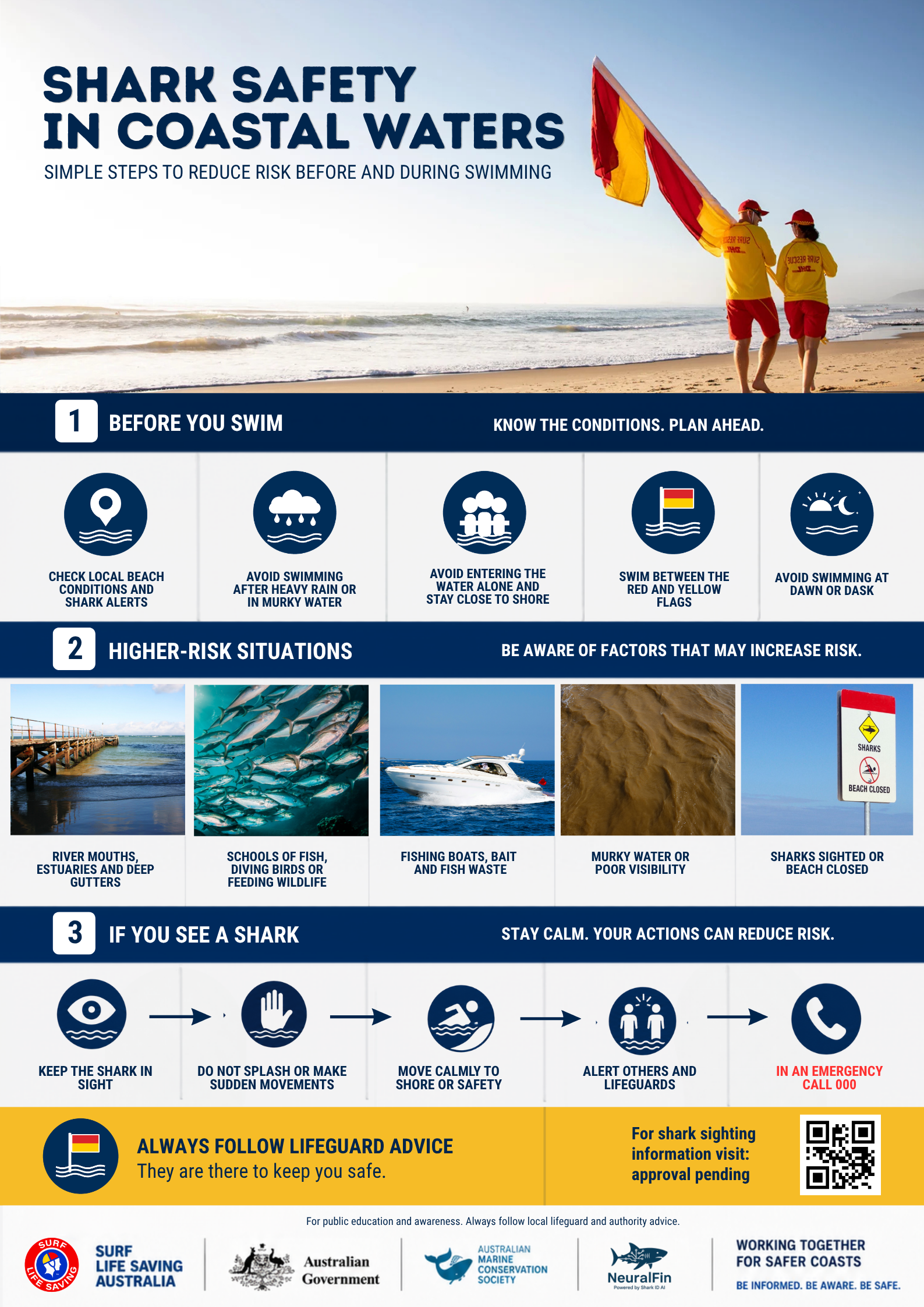
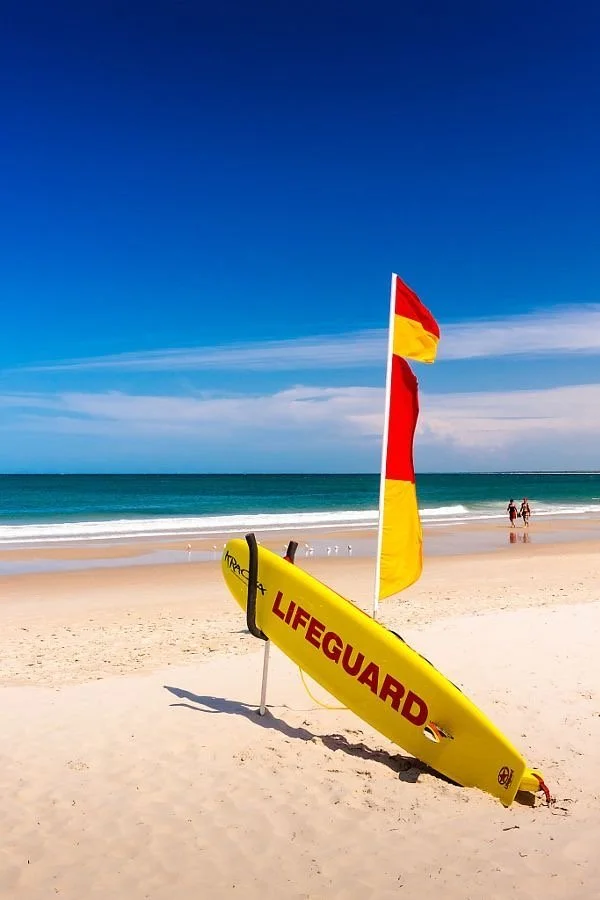
Check whether the beach is open, patrolled and operating under normal conditions. Red and yellow flags indicate the supervised swimming area where a lifesaving service is operating, and official signage or closures should always take priority.
Avoid entering the water when visibility is poor, after heavy rainfall, near river mouths or estuarine outflow, or where baitfish, feeding birds, fishing activity or marine wildlife are concentrated. These conditions can reduce detection, alter prey movement and increase uncertainty in nearshore waters.
Planning ahead does not remove risk. It improves the quality of the decision before exposure occurs.
Higher-Risk Situations
The following conditions are recognised in public safety guidance because they can reduce visibility, concentrate prey, increase uncertainty or place people closer to areas where sharks may be moving or feeding. They do not predict a shark encounter, but they provide useful signals for when greater caution is required.
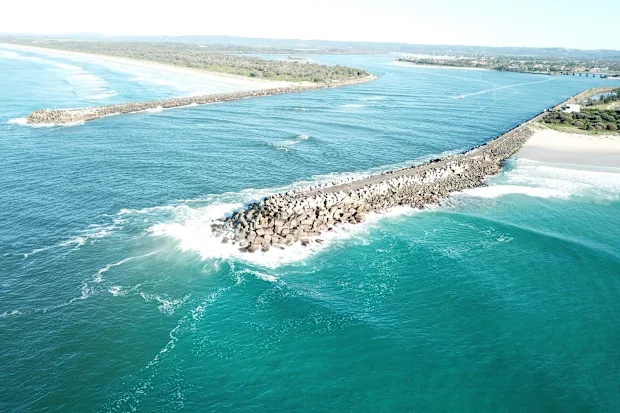
River mouths, estuaries and deep gutters
River mouths and estuaries are dynamic transition zones where freshwater, marine water, sediment and prey movement can converge. After rainfall, outflow can reduce water clarity and transport nutrients and fish from rivers into nearshore areas.
These conditions can increase uncertainty for ocean users because visibility is reduced and prey may become more concentrated. In some regions, species such as bull sharks are also strongly associated with estuarine and nearshore environments, making river mouths and estuary entrances important areas for increased caution.
Avoid entering the water near river mouths, estuaries or deep gutters after heavy rainfall, flooding or when water clarity is poor.
Schools of fish, diving birds or feeding wildlife
Baitfish, diving birds and feeding marine wildlife can indicate concentrated prey in the water. Sharks are mobile predators and may move through nearshore areas when prey availability increases.
These signs do not mean a shark is present, but they show that active feeding conditions may be occurring. When fish are schooling, birds are repeatedly diving, or marine wildlife is feeding close to swimmers or surfers, it is safer to leave the water and reassess conditions from shore.

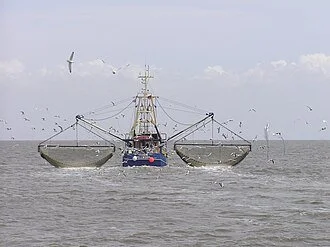
Fishing boats, bait and fish waste
Fishing activity can create localised attractants in the water, including bait, discarded fish material, hooked fish and fish waste. These cues may draw marine predators into an area or increase feeding activity around boats, jetties, breakwalls and shore-based fishing locations.
Avoid swimming, surfing or diving near active fishing, fish-cleaning areas, baited water, commercial fishing operations or boats handling catch.
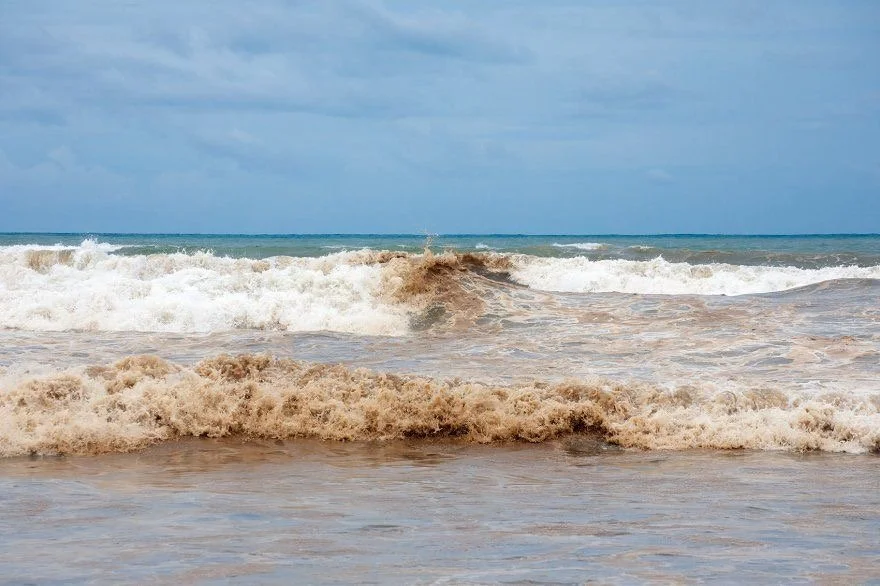
Murky water or poor visibility
Poor visibility increases uncertainty in coastal water. It reduces a person’s ability to identify hazards, judge distance and respond early. It can also occur after rainfall, strong swell, river discharge or sediment movement.
When the water is murky, discoloured or difficult to see through, avoid entering. Clear water does not remove risk, but poor visibility reduces the information available to make safe decisions.
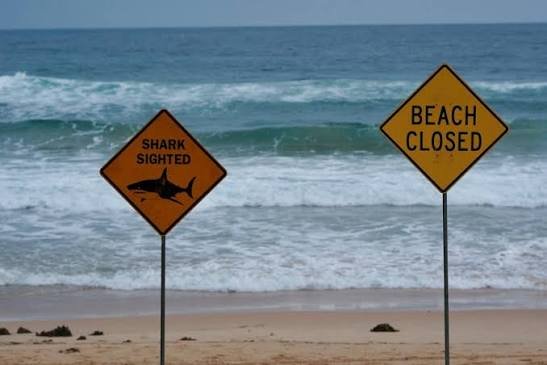
Sharks sighted or beach closed
A shark sighting, shark alarm, beach closure or lifeguard warning should always be treated as an immediate instruction to leave the water. These alerts are issued to reduce exposure while conditions are assessed.
Do not enter the water at a closed beach or remain in the water after a warning. Follow lifeguard direction, observe beach signage and wait for official advice before returning.
If You See a Shark
Stay calm. Create distance. Alert others.
If a shark is observed in the water, the priority is to reduce exposure and alert those responsible for beach safety. Keep the shark in sight where possible, avoid sudden movement or excessive splashing, and move steadily towards shore, a vessel or another safe exit point.
Once clear of the water, warn nearby ocean users and notify lifeguards, lifesavers or local authorities. If a shark alarm sounds, a beach is closed, or lifeguards issue a direction, leave the water immediately and wait for official advice before returning.
If there is immediate danger, injury or a life-threatening emergency, call 000.

Keep the shark in sight
If a shark is observed, maintain visual awareness of its position while preparing to leave the water. Keeping the shark in sight helps you track its movement, judge distance and avoid losing awareness of where the animal is in relation to you and other ocean users.
Do not turn away unnecessarily. Move with control towards the nearest safe exit point while continuing to monitor the shark’s direction of travel.
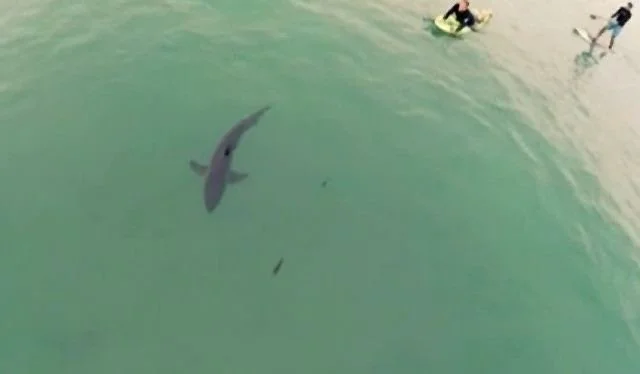
Avoid splashing or sudden movement
If a shark is nearby, avoid panic movement, excessive splashing or abrupt changes in direction. Sudden, uncontrolled movement can reduce your ability to assess the situation, communicate with others and move safely towards an exit point.
Stay as composed as possible, keep your movements deliberate, and focus on creating distance from the shark without drawing unnecessary attention or increasing confusion in the water.
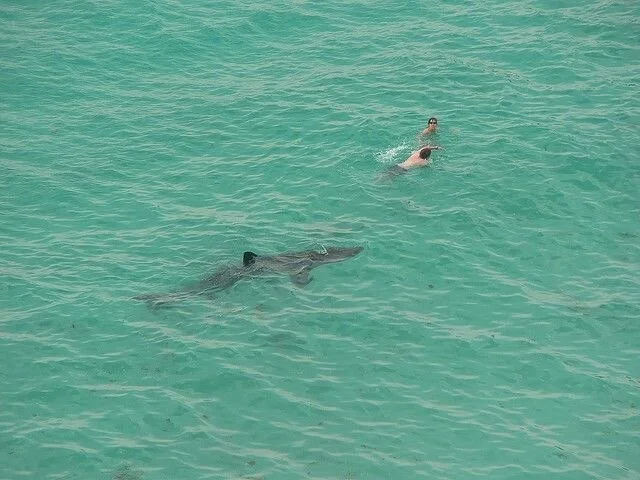
Move calmly to shore or safety
Once the shark has been sighted, the priority is to leave the water where it is safe to do so. Move steadily towards the nearest practical exit point, such as the shoreline, a vessel, a platform or another protected area.
Avoid turning the situation into a rushed group response. Controlled movement helps reduce panic, maintain awareness and allow others nearby to also exit the water safely.
Alert others and lifeguards
Once clear of the water, alert nearby swimmers, surfers, divers and other ocean users. Early communication helps reduce exposure for others who may not have seen the shark or understood the situation.
Notify lifeguards, lifesavers or local authorities immediately so the beach can be assessed and, where required, warnings or closures can be managed through the appropriate safety channels.

Call 000 in an emergency
If there is immediate danger, injury, a missing person, or a life-threatening situation, call 000 and follow emergency instructions.
Emergency services should be contacted as soon as urgent assistance is required. Do not wait for the situation to escalate before seeking help.

Official Local Safety Resources
Shark activity and beach conditions vary by location, season and local management response. Always check official sources before entering the water, especially after shark sightings, beach closures, poor visibility, heavy rainfall or unusual marine activity.
Use local lifeguard advice, Surf Life Saving updates, beach signage, council notices, state SharkSmart programs and emergency authority information as the primary source for current safety decisions.
Research-informed education can support awareness, but real-time beach safety advice must come from the authorities responsible for that coastline.