Research Scope
NeuralFin’s shark identification and monitoring work is directed toward the development of stronger scientific continuity across photographic encounters, species-level observation, and individual record-building over time. Through Shark ID AI, the platform applies non-invasive analytical methods to support species recognition, individual identification, and the generation of more structured monitoring records capable of contributing to shark science, conservation research, and longitudinal evidence development. The species currently included within this scope reflect the present boundaries of NeuralFin’s active identification, catalogue, and monitoring programme, while the process below reflects the operational pathway through which images are translated into research-useful records.
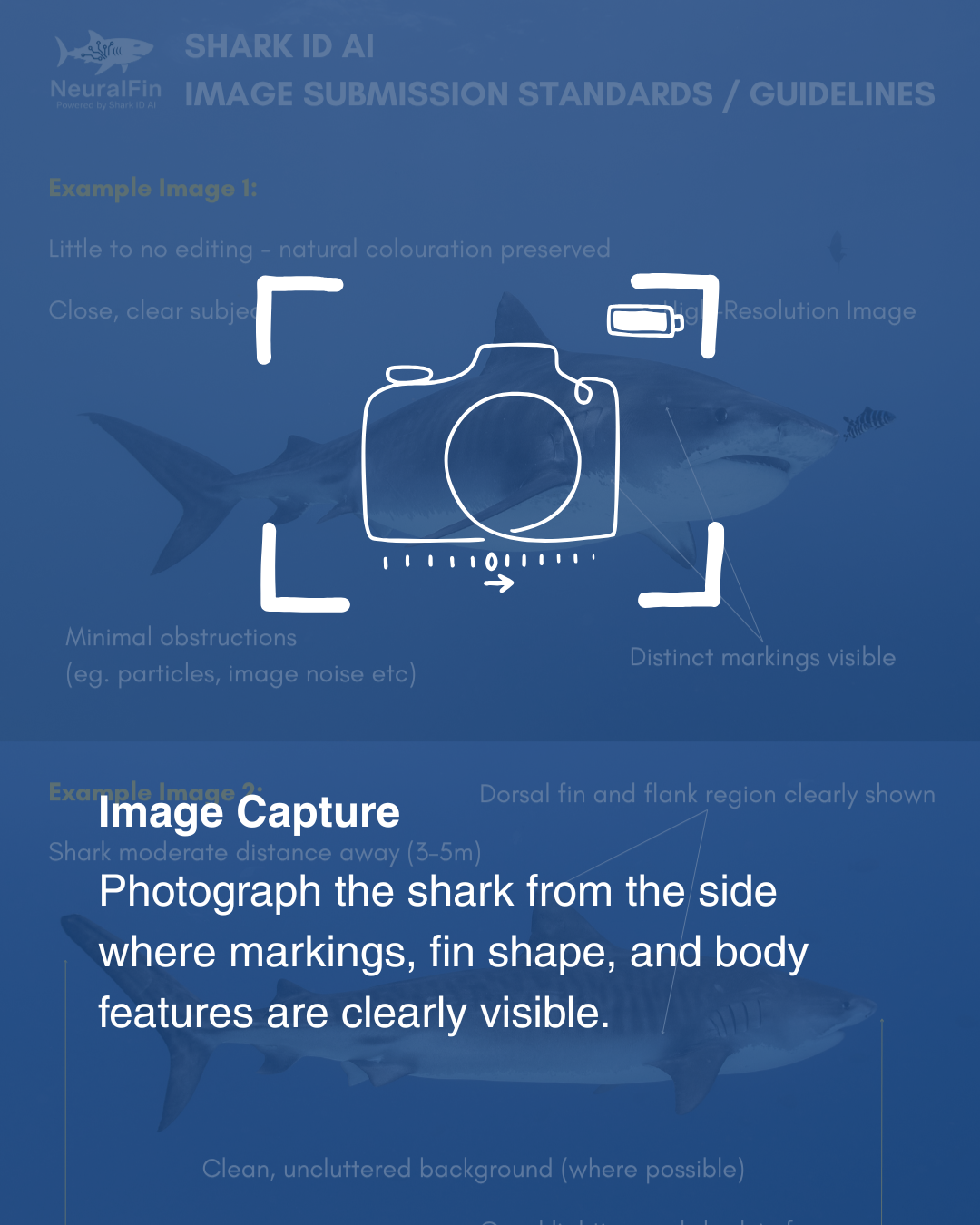
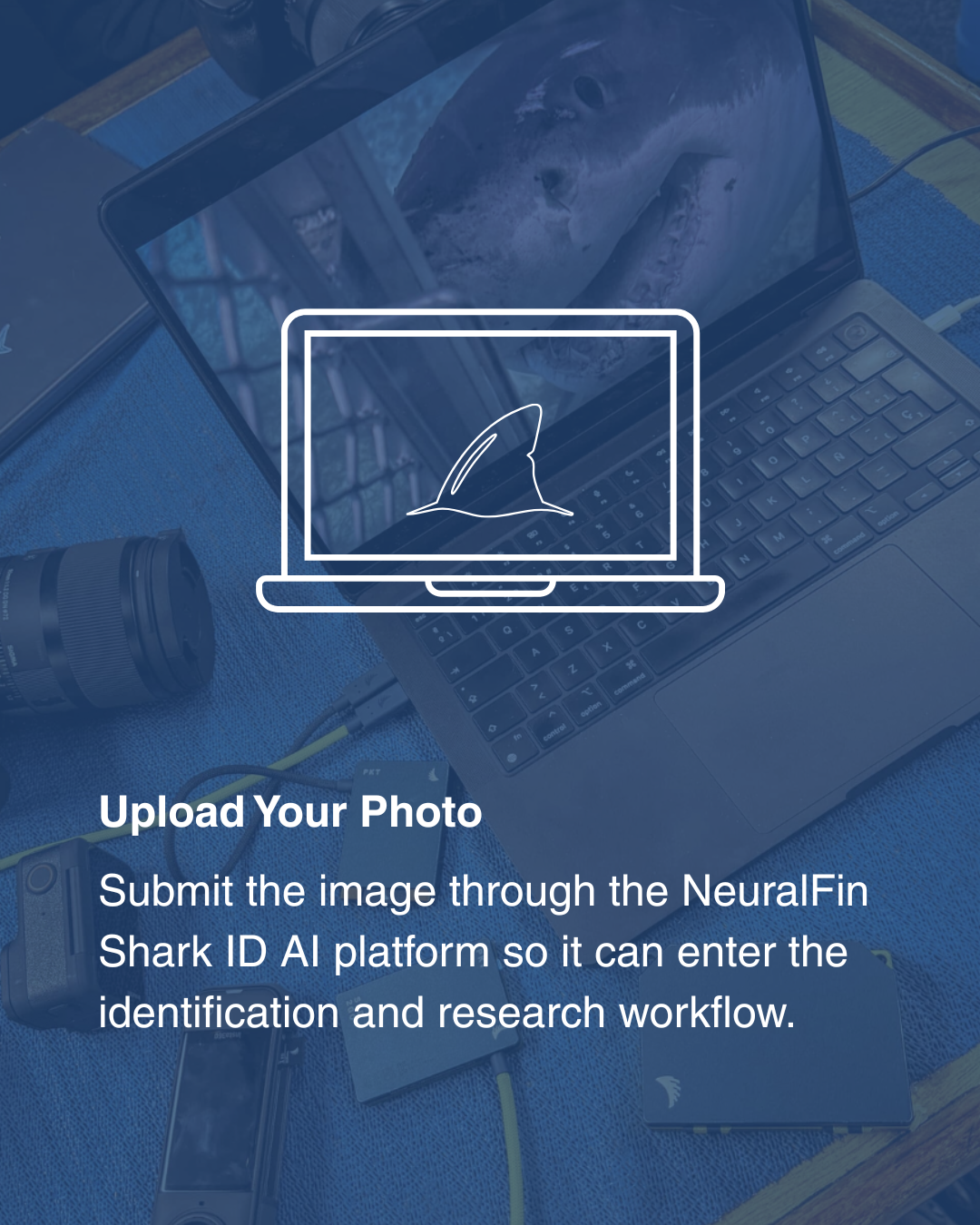
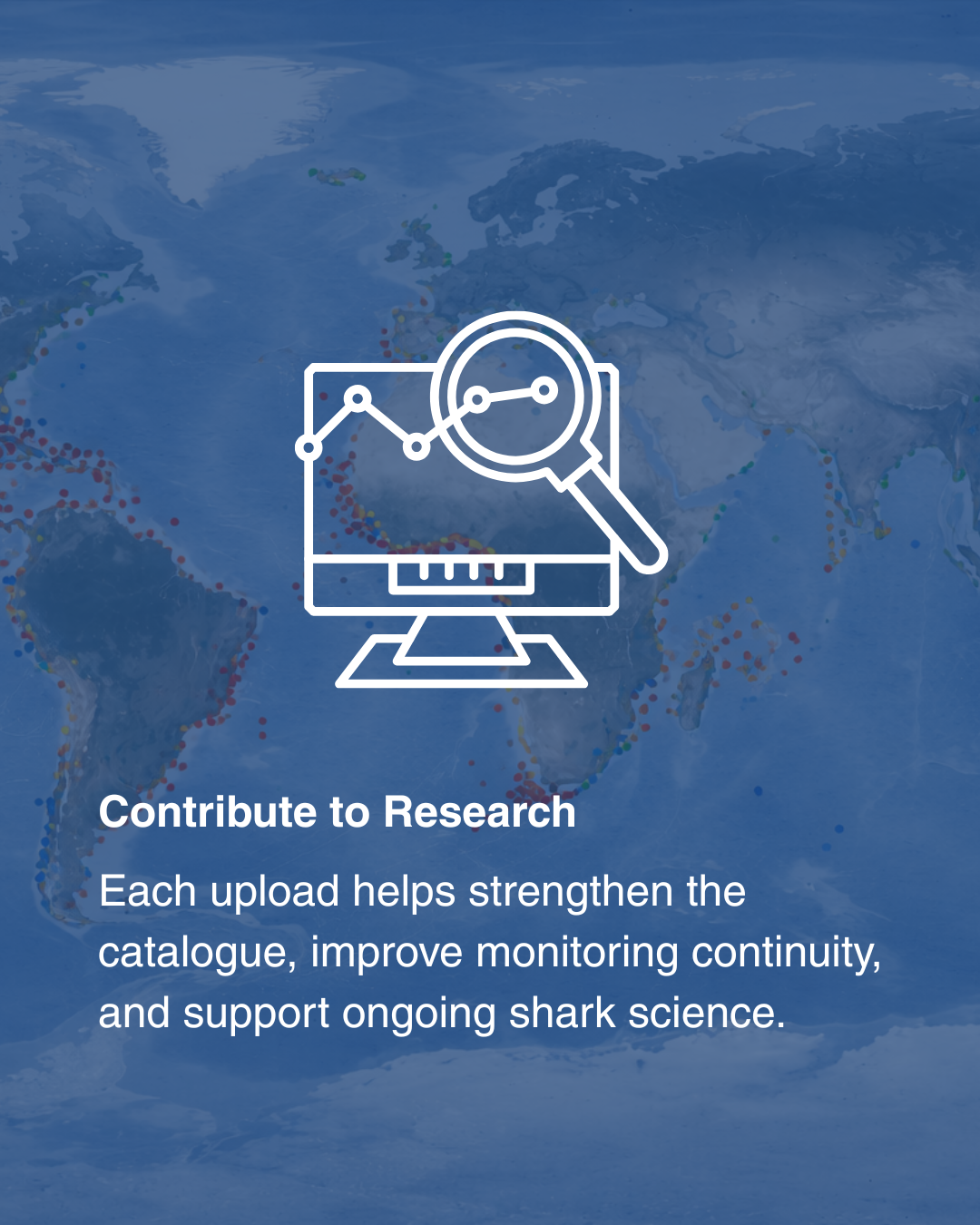
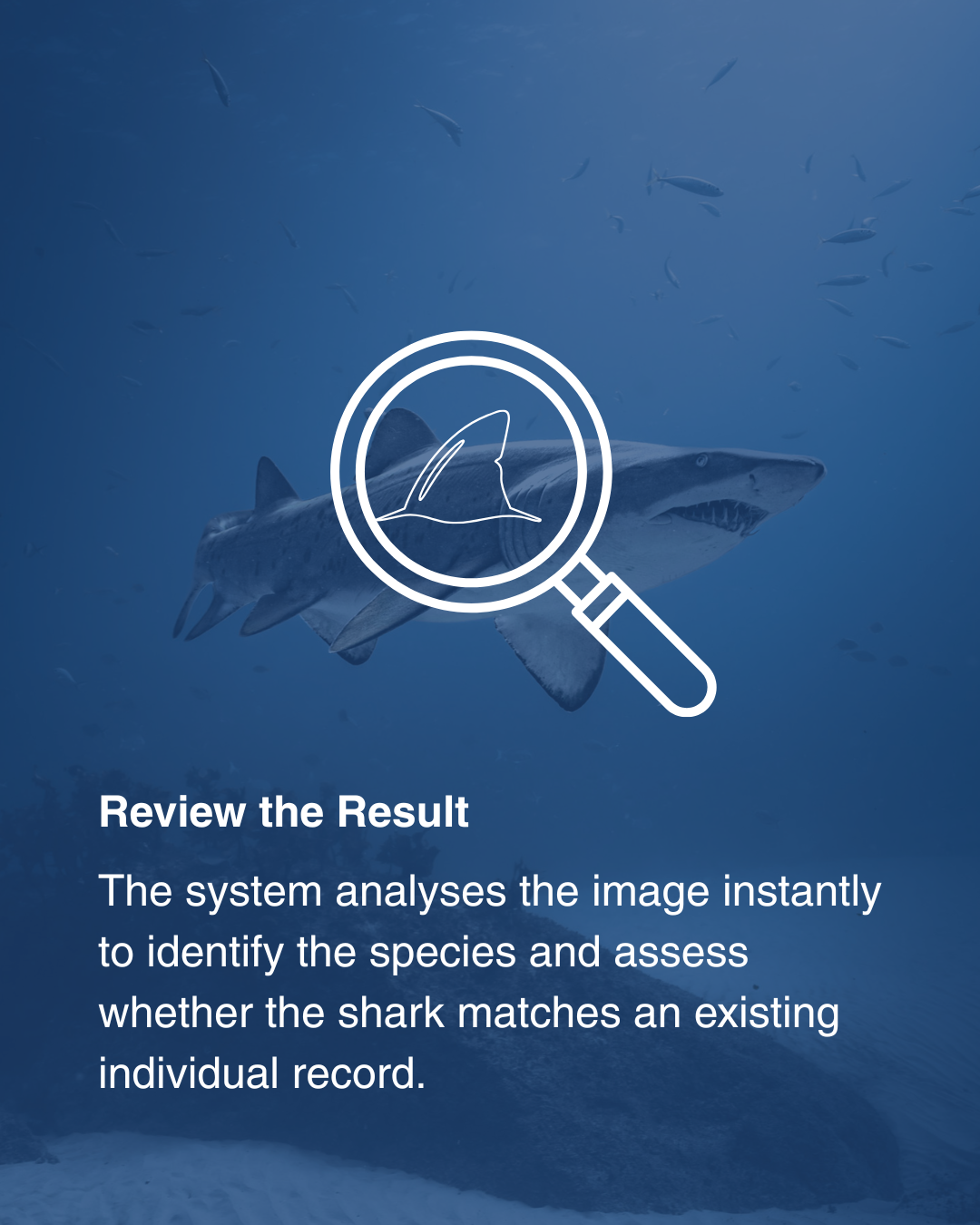
Within NeuralFin’s identification workflow, submitted shark images are processed to assess species and analyse identity-relevant visual characteristics capable of supporting individual recognition. This includes the evaluation of stable features such as fin morphology, natural markings, body pattern structure, and other persistent visual attributes that can contribute to repeat identification across photographic encounters. Where the available evidence is sufficient, the encounter is assessed against existing records within the active catalogue to determine whether it is consistent with a previously documented individual. Where no suitable match is supported, the encounter contributes to the creation of a new research record, allowing the system to preserve continuity while extending the scientific value of future observation over time.
Identification Process
Shark ID AI is used within research contexts to support the generation of evidence relevant to questions of mark-recapture, site fidelity, movement, and repeated observation across time. In collaboration with university partners and research users, the platform contributes to the development of structured records that can support publishable outputs, supervised research projects, and species-specific monitoring workflows. In this context, the value of the system lies not only in identification itself, but in its capacity to produce records that are sufficiently continuous, interpretable, and methodologically aligned to support broader scientific investigation and conservation research.
Scientific Use and Research Application
Shark ID AI is used within research contexts to support the generation of evidence relevant to questions of mark-recapture, site fidelity, movement, and repeated observation across time. In collaboration with university partners and research users, the platform contributes to the development of structured records that can support publishable outputs, supervised research projects, and species-specific monitoring workflows. In this context, the value of the system lies not only in identification itself, but in its capacity to produce records that are sufficiently continuous, interpretable, and methodologically aligned to support broader scientific investigation and conservation research.
Scientific Use and Research Application

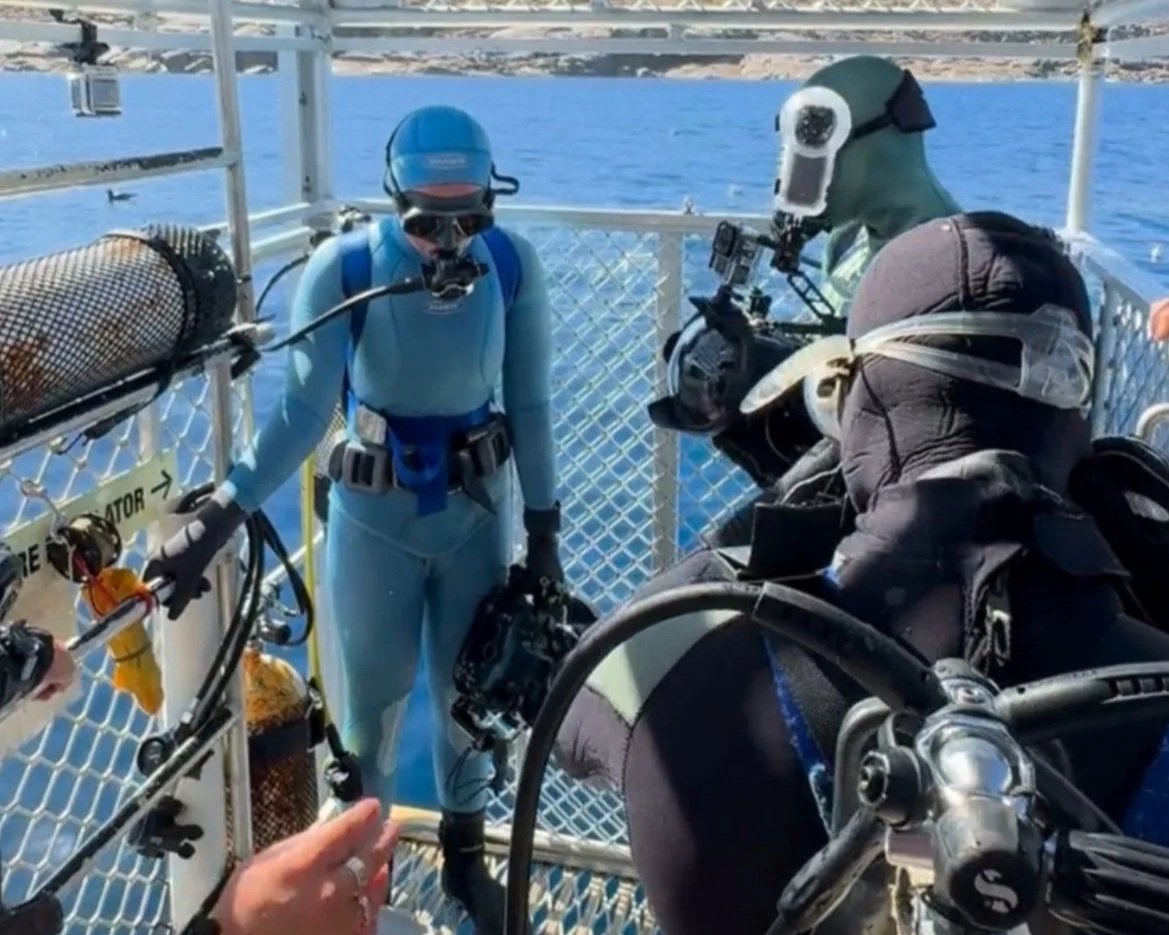
LIVE IDENTIFICATION AND MONITORING
Upload shark observations, identify individuals, and build long-term sighting records through Shark ID AI. Designed to support shark science and ocean research, the platform helps transform images into structured monitoring data that can strengthen catalogue development, improve individual recognition, and support longitudinal research across sites, species, and time.
IDENTIFY AND TRACK SHARKS OVER TIME
Current Species Scope
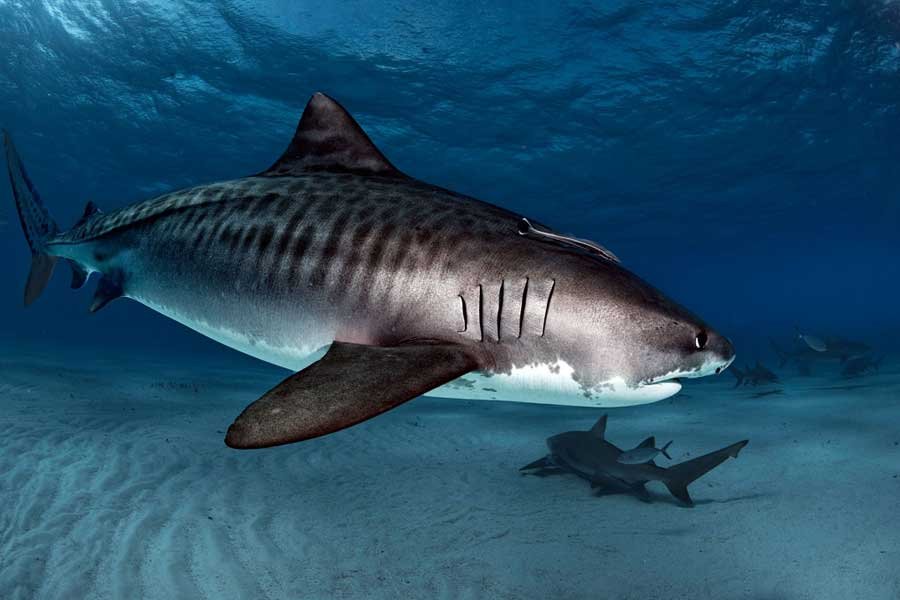
Tiger Shark (Galeocerdo cuvier)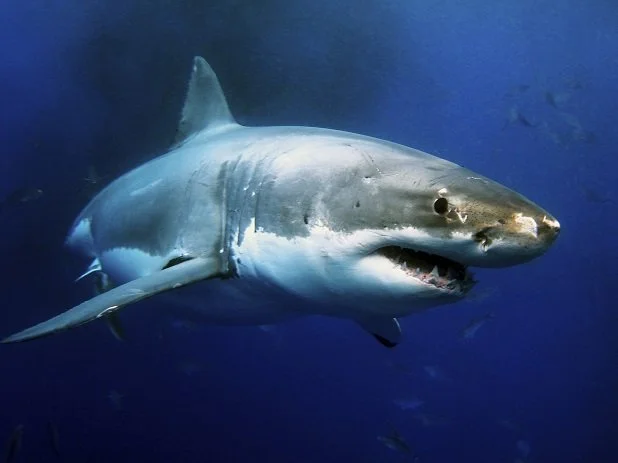
Great White Shark (Carcharodon carcharias)
Whale Shark (Rhincodon typus)
Bull Shark (Carcharhinus leucas)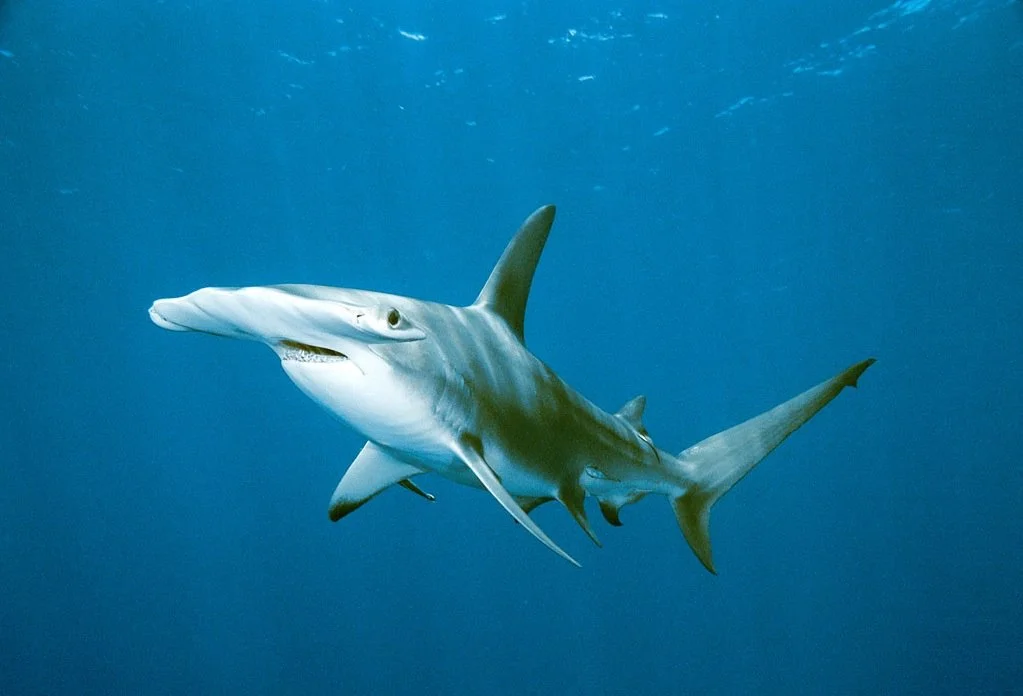
Hammerhead Shark (Sphyrnidae)
Oceanic Whitetip Shark (Carcharhinus longimanus)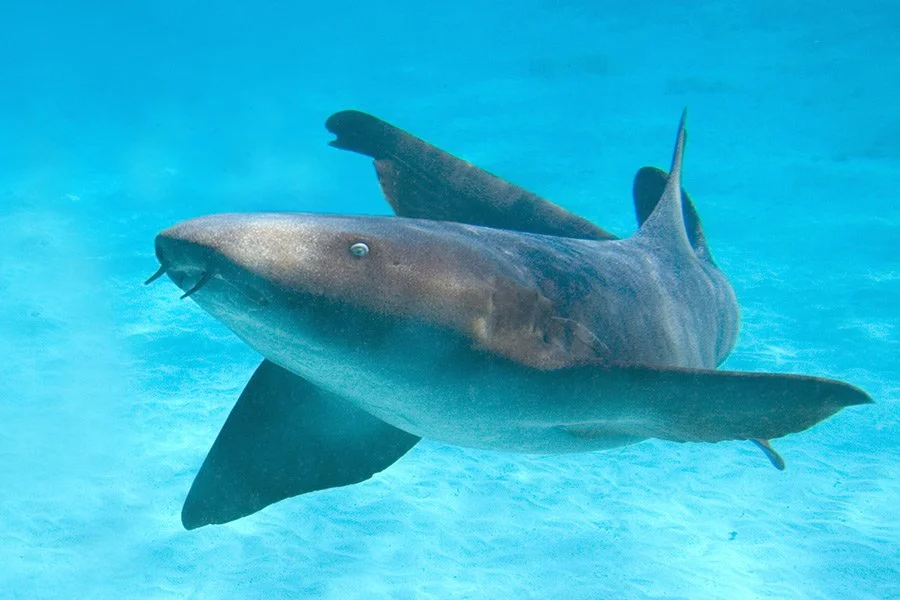
Nurse Shark (Ginglymostoma cirratum)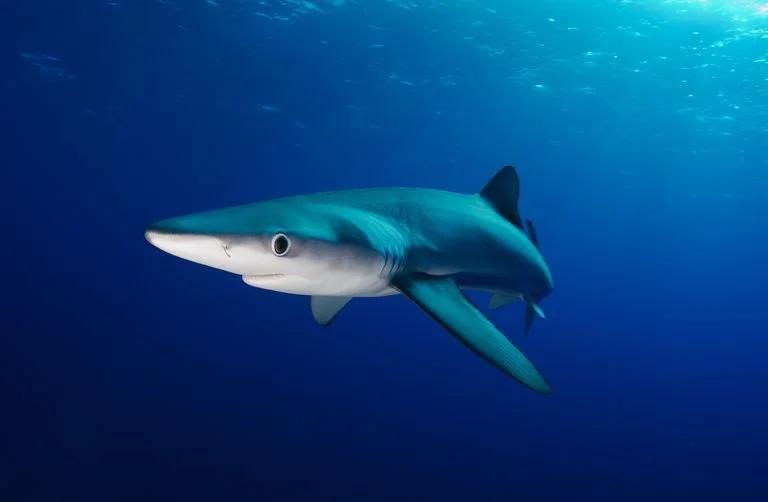
Blue shark (Prionace glauca)
Mako Shark (Isurus)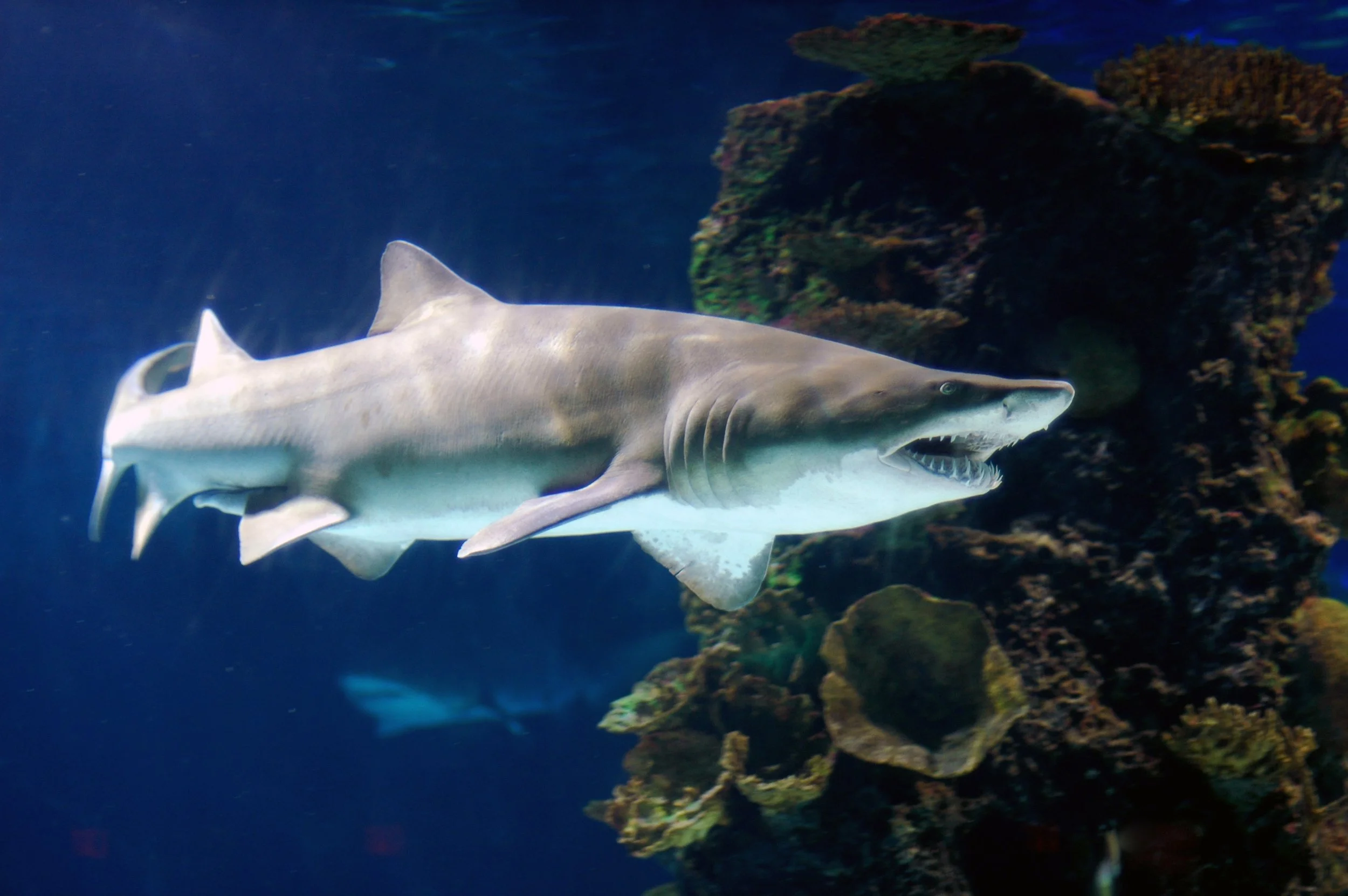
Sand Tiger Shark or Grey Nurse Shark (Carcharias taurus)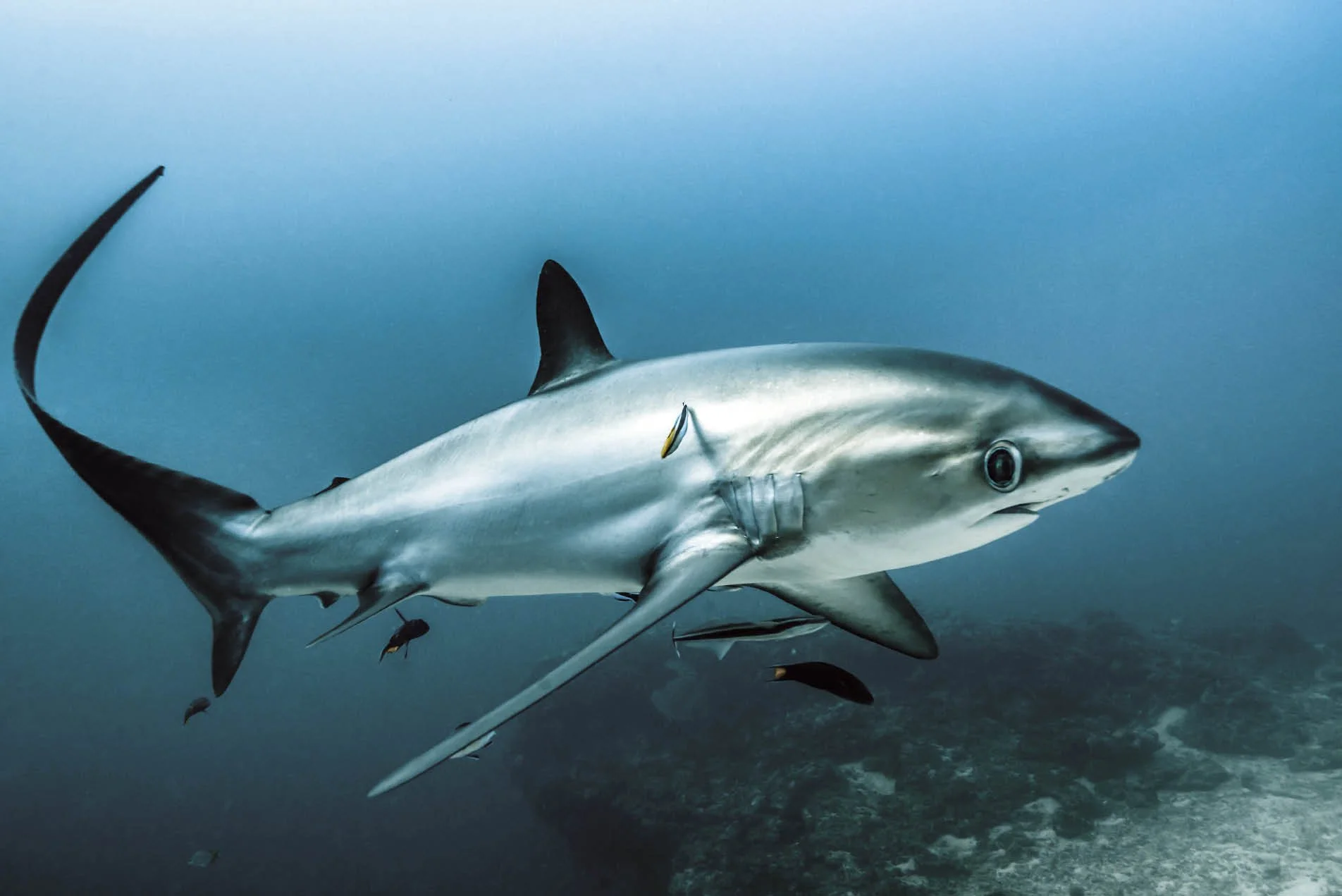
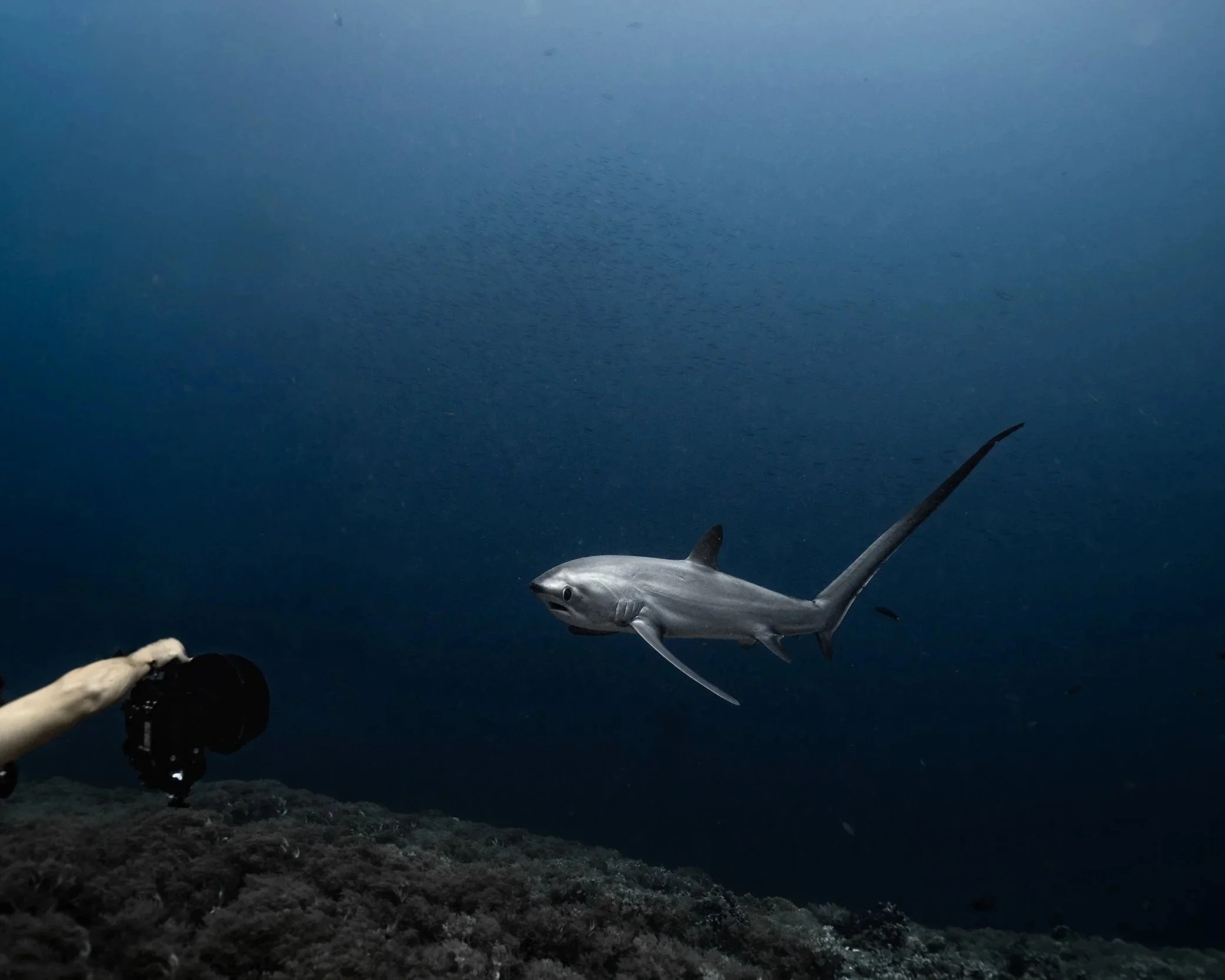
Thresher Shark (Alopias)
Lemon Shark (Negaprion brevirostris)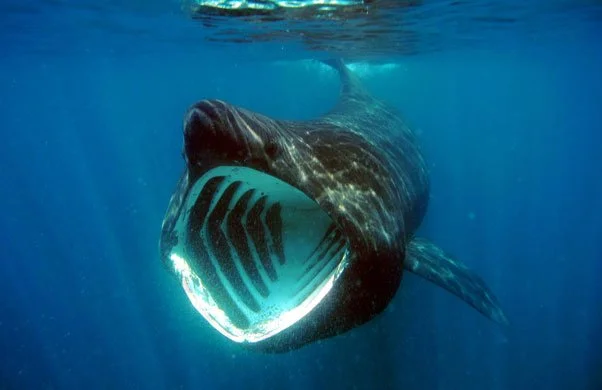
Basking Shark (Cetorhinus maximus)
Blacktip Reef Shark (Carcharhinus melanopterus)The species presented above define the current scope of NeuralFin’s active shark identification, monitoring, and catalogue development programme. Their inclusion reflects the present boundaries of the organisation’s research activity and the species through which identification workflows, longitudinal records, and broader monitoring capability are being systematically developed, evaluated, and refined over time. To learn more about the research, educational resources, and publication-focused science associated with NeuralFin’s current species priorities, See our Education Portal.